

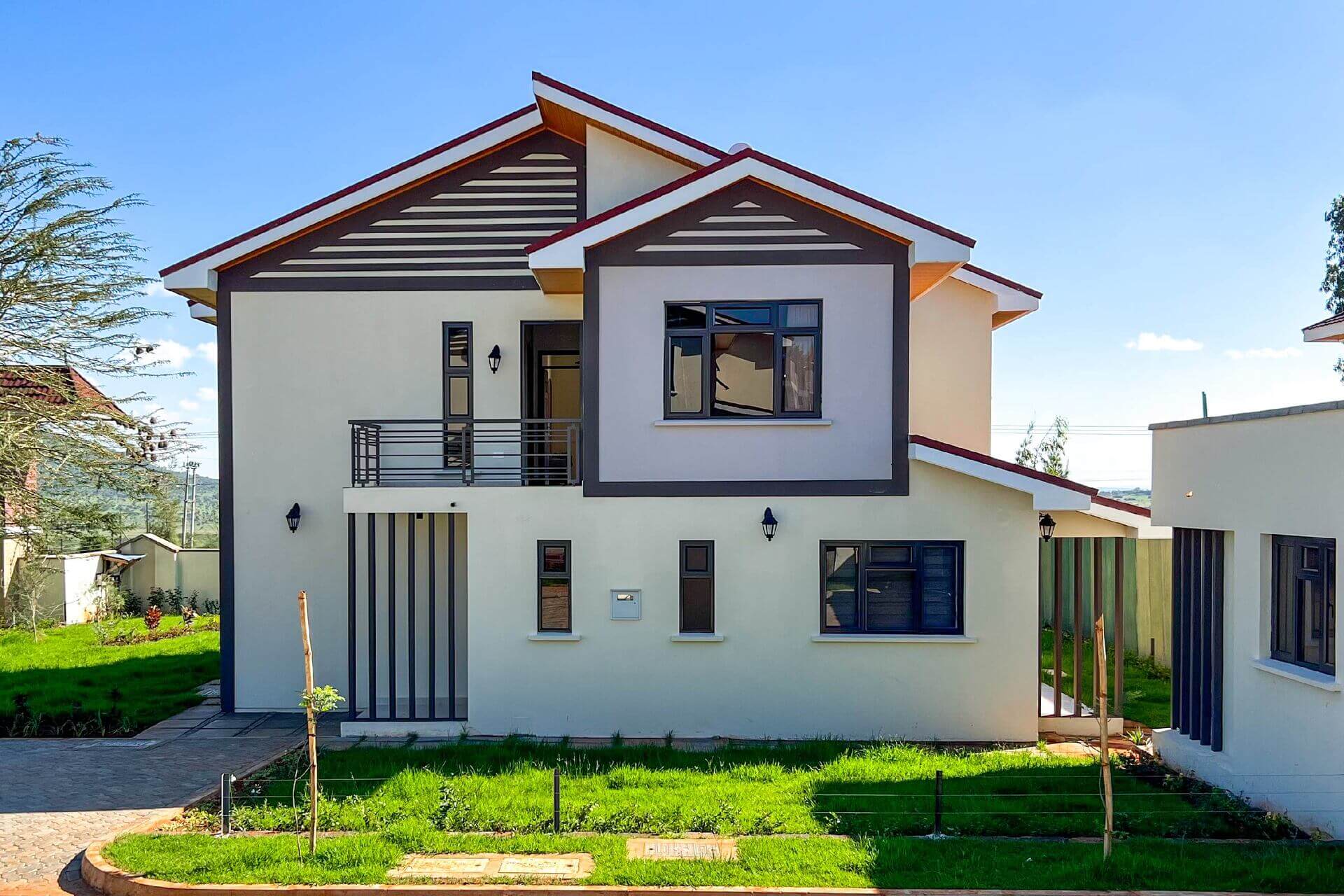
Serene Park
For decades, a single question has dominated real estate development: How much can we build on a piece of land? However, the far more strategic question is: How much should we build?
Properly managed real estate density unlocks immense economic value. For instance, it makes public transit viable, connects residents to major employment hubs, and builds efficient urban centers.
However, when density outpaces roads, water, power, and drainage, severe operational pressure builds. Consequently, for modern property developers, managing real estate density has evolved into a vital business strategy.
Real Estate Density vs. Development Efficiency
Simply adding more units to a plot does not automatically improve efficiency. Instead, true efficiency balances unit volume with utility capacity, market absorption, architectural quality, and long-term functionality.
Furthermore, this distinction is becoming critical as urban centers grow rapidly. Under Nairobi’s 2026 Development Control Policy, regulators strictly evaluate infrastructure capacity, zoning alignment, and orderly urban expansion. As a result, industry conversations must shift from maximum yield to sustainable capacity.
When Density Creates Value
When properly aligned with public infrastructure, real estate density delivers three clear benefits:
-
Infrastructure Viability: Higher population density justifies municipal investments in retail hubs, schools, public transit, and essential services.
-
Urban Sprawl Mitigation: In addition, compact vertical developments reduce land consumption and draw economic activity closer to established utility networks.
-
Project Viability: Ultimately, optimized yields lower per-unit development costs, which improves capital returns without compromising living conditions.
When Density Creates Infrastructure Strain
Conversely, when building density moves faster than supporting public works, the surrounding ecosystem degrades quickly:
-
Utility Overload: Overburdened drainage systems cause local flooding, water shortages, and persistent power grid instability.
-
Congestion and Deficits: Similarly, severe traffic bottlenecks occur alongside chronic parking deficits and the erosion of shared green spaces.
-
Asset Depreciation: As a consequence, neighborhoods undergoing uncoordinated redevelopment face long-term declines in tenant satisfaction and asset marketability.
Matching Building Intensity to Market Demand
Because demographics vary, developers must never decide real estate density in isolation. Product-market fit should determine appropriate building intensity across different segments:
-
Families: Prefer lower real estate density, private yards, and quiet residential surroundings.
-
Young Professionals: On the other hand, they value central locations, transit accessibility, and high-density, low-maintenance urban living.
-
Commercial Occupiers: Meanwhile, industrial tenants require functional footprint layouts, efficient logistical access, and high operational clearance rather than high unit volume.
Therefore, successful developers do not simply build the maximum number of units; instead, they deliver the right product at optimal intensity.
Case Study: Serene Park in Action
This balanced approach directly drives the strategy at Purple Dot International. A prime example is Serene Park, a gated community featuring four-bedroom villas designed around livability rather than plot maximization.
Instead of crowding high-density apartments onto the parcel, the project integrates private gardens, green walking paths, and shared amenities, including a clubhouse, gym, and infinity pool.
Moreover, to prevent municipal infrastructure strain, the development incorporates solar water heating, dedicated boreholes, and backup power generators. Ultimately, strong market demand, with Phase II at 90% sold and Phase III at 60% sold, proves that buyers reward long-term functionality over sheer unit count.
Key Questions for Developers
Before committing capital to a site, developers should answer six foundational questions:
-
Target User: Who is the target end-user?
-
Infrastructure Limits: What density level can current local infrastructure support?
-
On-Site Utilities: What additional utilities must be integrated on-site?
-
Market Demand: What development intensity matches local market demand?
-
Long-Term Value: How will the completed build perform 15 years from now?
-
Environmental Impact: How does the development impact the immediate surrounding environment?
The Path Forward
Growing economies undoubtedly need continuous housing, retail, and industrial infrastructure. However, the solution is neither halting construction nor maximizing real estate density indiscriminately across every zone.
In summary, the future belongs to balanced development that aligns building intensity with infrastructure capacity, market demand, and long-term asset value.