

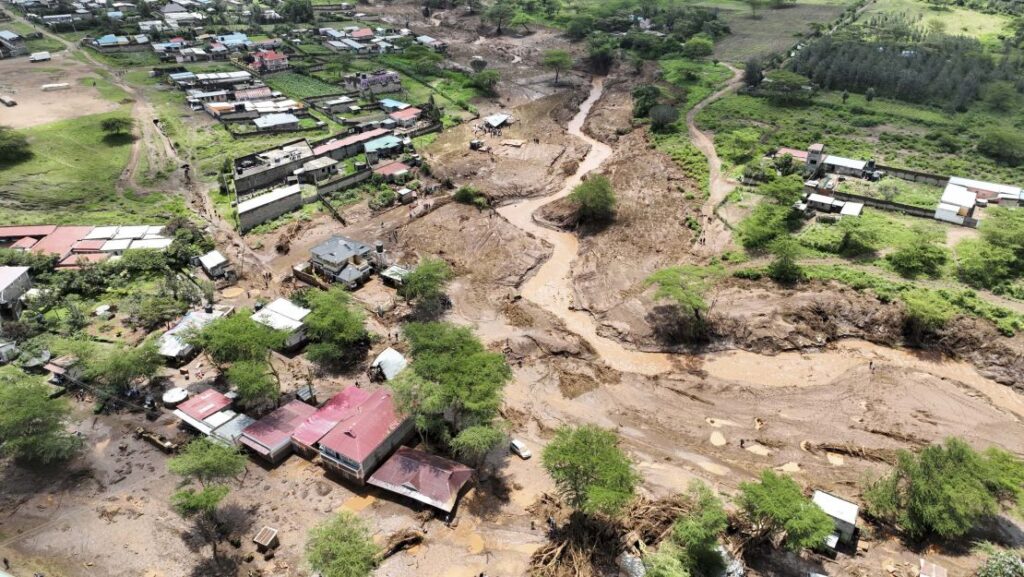
Kenya’s Property Market affected by floods.
Recent flooding in parts of Kenya is beginning to influence how people approach property decisions. It is bringing renewed attention to location, planning quality, and environmental suitability.
What was once a secondary factor is now central. Buyers are no longer focusing only on the property itself. They are also looking at the wider environment. This includes how the land drains, how the area is planned, and how it performs during heavy rainfall.
This shift is reshaping market expectations. There is now a greater focus on resilience, infrastructure, and long-term performance.
Growing Focus on Planning and Development Standards
Recent flooding has increased scrutiny on urban planning and enforcement. This is especially true in fast-growing areas.
Development near riparian zones is regulated under environmental and planning frameworks, with oversight from the National Environment Management Authority (NEMA). However, rapid expansion has, in some cases, outpaced enforcement.
The impact is becoming more visible during heavy rains. Common challenges include:
- Construction on low-lying or poorly drained land
- Encroachment into natural water pathways
- Strain on drainage infrastructure
As cities expand into peri-urban areas, these gaps are becoming clearer.
In corridors such as Machakos Junction, this is already influencing development decisions. There is more focus on elevation, drainage, and land suitability from the start.
A Shift Toward Better-Considered Development
The market is responding.
Buyers are paying closer attention to:
- Elevation and drainage
- Infrastructure readiness
- Compliance with planning standards
Developers are also adjusting. There is more focus on getting the basics right early. This includes land selection and planning.
Some developments now take a more integrated approach. Layout, spacing, and drainage are considered together.
Projects such as Serene Park reflect this shift. The focus is not only on buildings. It also includes how the development works within its environment. This covers drainage, layout, and long-term usability.
The approach is changing. The focus is moving from building quickly to building appropriately.
What Buyers Should Look for to Avoid Risky Land
As awareness grows, buyers are taking a more careful approach when evaluating property. Beyond price and location, there are key checks that can help avoid costly mistakes.
Understand the Land
- Is the land elevated or low-lying?
- Does water collect after rain?
- Are there signs of past flooding?
If possible, visit the site during or after heavy rainfall.
Check Drainage and Surroundings
- Are there proper drainage channels nearby?
- Are rivers or seasonal streams close?
- Is the land on a natural water pathway?
The surrounding area can affect how the land performs.
Confirm Planning and Approvals
- Is the land approved for development?
- Does it meet zoning requirements?
- Are there environmental restrictions?
Where possible, verify documents with the relevant authorities.
Assess Infrastructure
- Are access roads usable during heavy rains?
- Is drainage infrastructure in place?
- Are utilities properly planned?
Strong infrastructure reduces long-term risk.
Evaluate the Developer or Seller
- Do they have a reliable track record?
- Have past projects shown good planning?
- Are approvals and details transparent?
Credibility matters.
Look Beyond Short-Term Appeal
- Is the land suitable long-term?
- Will it remain accessible and stable?
- Does it support sustainable use?
Low price should not outweigh long-term risk.
Taking time to assess these factors can make a significant difference. In today’s market, informed decisions are not just about finding the right property — they are also about avoiding the wrong one.
Planning as a Driver of Value
Planning is now a key factor in property value.
Well-planned developments are more likely to:
- Retain value
- Attract steady demand
- Handle environmental stress better.
Developers are responding. The focus is on site selection and planning.
In areas like Machakos Junction, this shift is already visible. New developments are placing more emphasis on how land performs over time.
Market Outlook
Environmental factors will continue to shape the market.
We are likely to see:
- More careful site selection
- Better infrastructure planning
- More informed buyers
The gap between well-planned and poorly planned developments will become clearer.
Conclusion
Recent flooding has highlighted a simple truth: not all land is equal.
Buyers are becoming more aware. Developers are being pushed to improve.
In this environment, well-planned developments will stand out — not through marketing, but through performance, resilience, and long-term value.
As the market evolves, informed guidance and a clear understanding of land and planning will remain essential in making the right property decisions.